Budapest is a city so wondrous that it makes you wonder: what is Budap? Is there a city more Budap than this, or as the name advertises, is this really the Budapest of all cities?
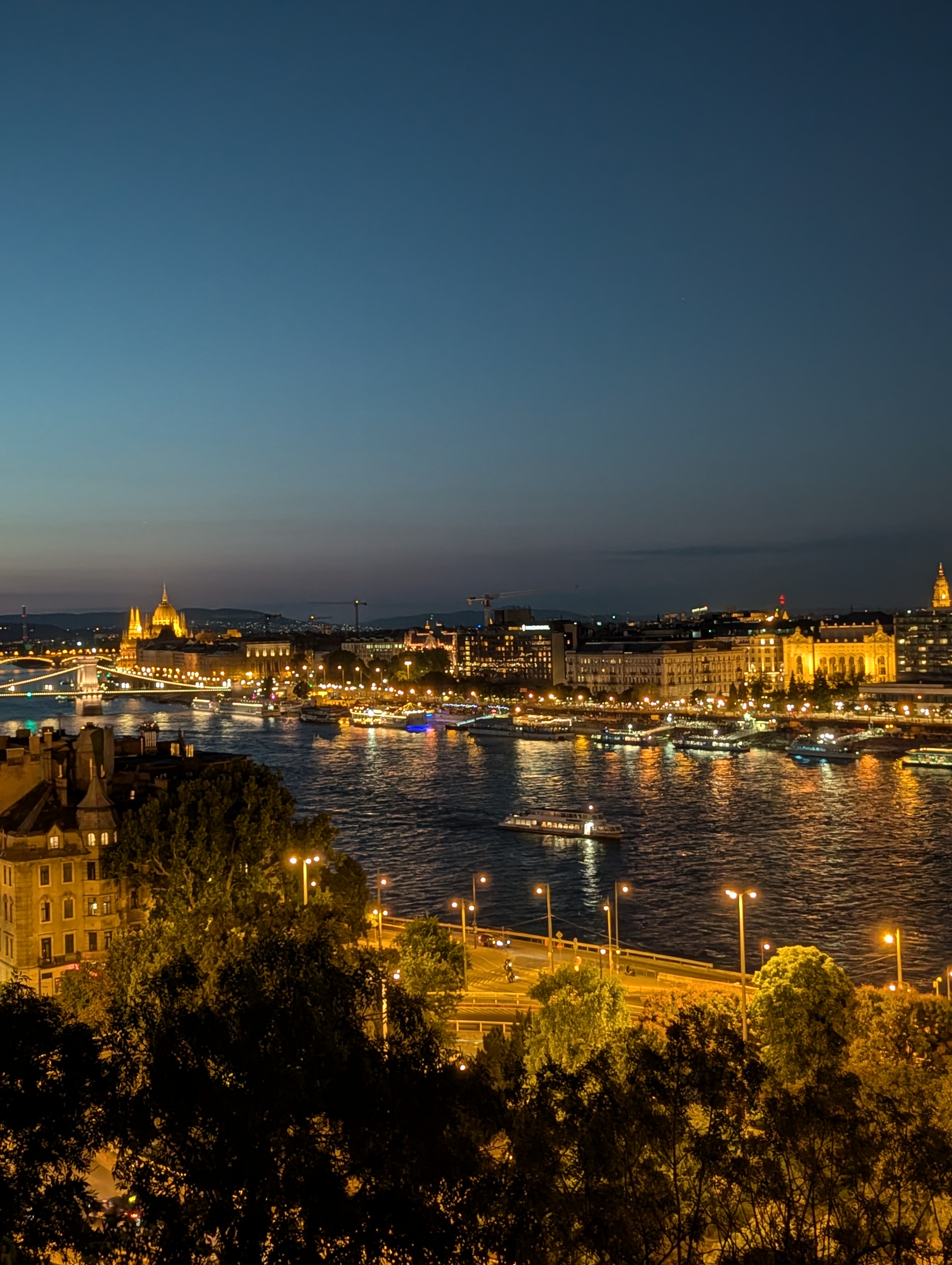
The first thing to watch in Budapest is a river called The Danube, which is modeled after a river that flows through Vienna: The Danube. This has greatly confounded river scientists and philosophers alike, because no one knows which is the The Danube.
What we do understand is that this The Danube has actually sliced the city into two halves. The half I stand on is called Pest, and the half that I’m looking at is called Buda.
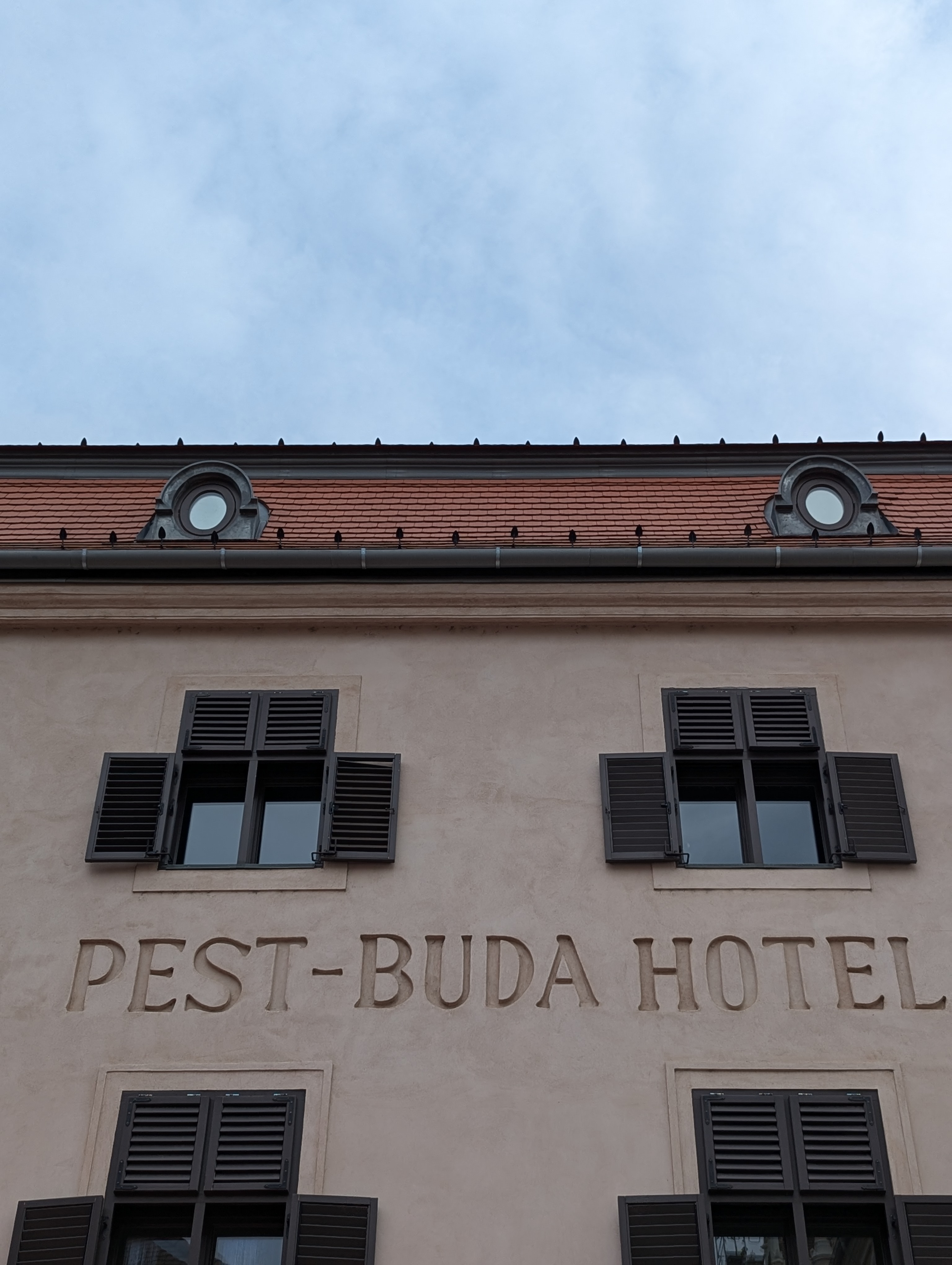
Before they discovered the real name of the combined city, the ancients, who couldn’t be arsed to look at a real atlas, referred to the city as Pest-Buda. That is because they were looking at where I’m standing, standing where I’m looking at.
Modern historians now know that was the wrong way to look and stand, which is how the phrase “to stand corrected” was coined. Modern historians also discovered after carefully listening to recordings of Hungarians that Pest is pronounced “Pesht”, a discovery made possible by the invention of voice recorders.
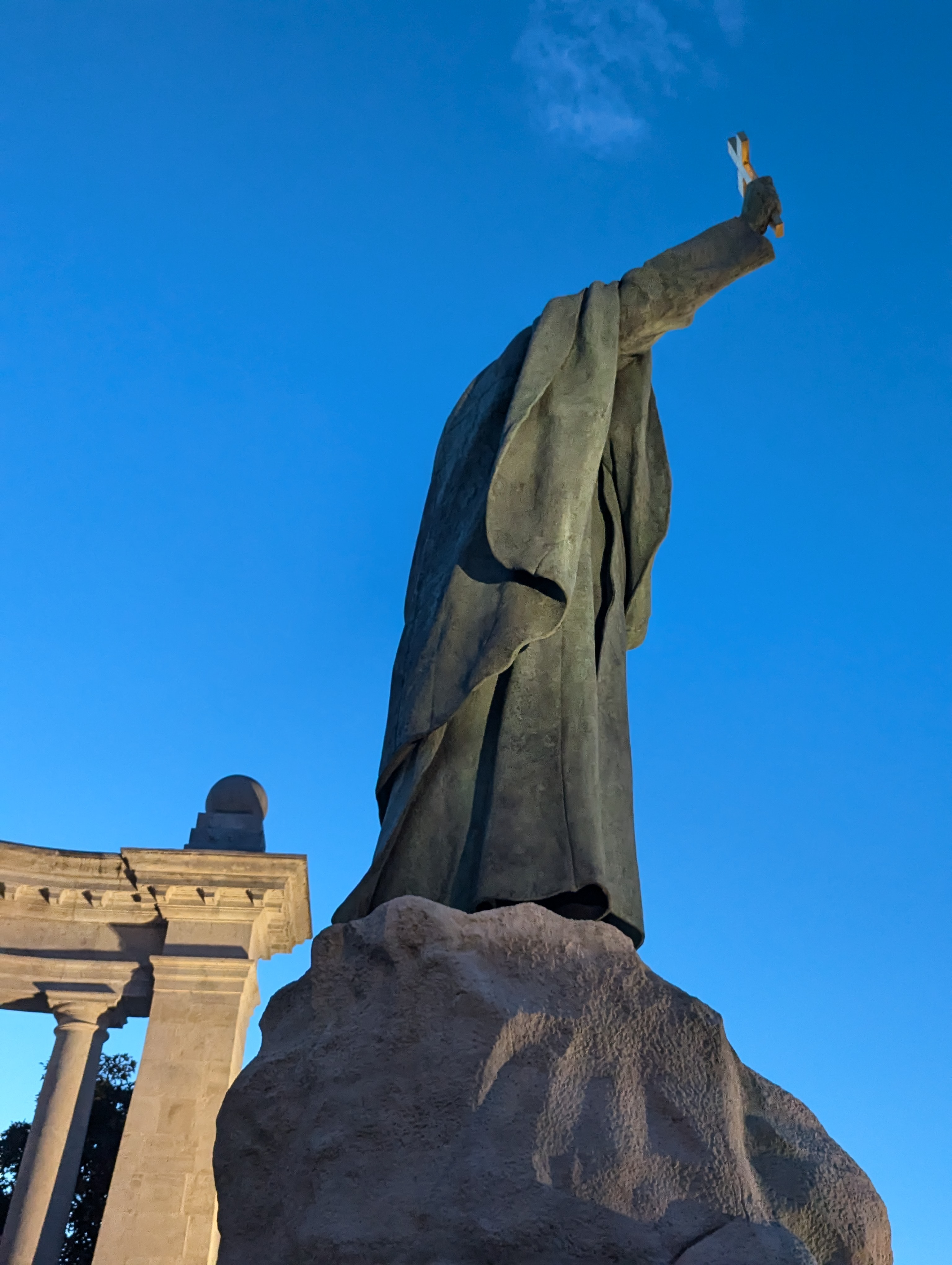
Looking across at “Pesht”, standing in Buda, is the gigantic statue of St Gellert, a 11th century Christian man hired by the king to evangelize the pagan peasants . But because it would be many centuries before the Christians would invent the television, the pagans of those ancient times could reciprocate in person by rolling Mr. Gellert down the hill in a barrel filled with nails.
This brings us to another pronunciation tidbit which is that at that moment, St Gellert was pronounced dead.
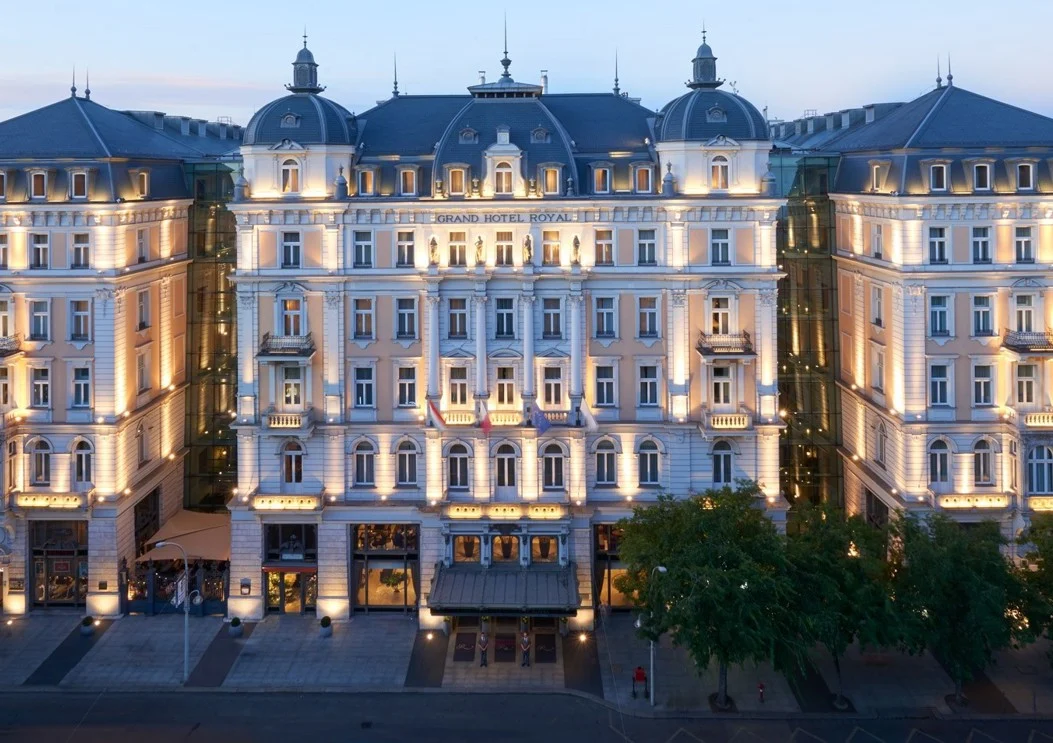
We are now in front of the magnificient Hotel Corinthia Budapest that inspired the iconic mother-child director duo, Wes and her son to direct the movie The “The Grand Budapest Hotel”, a remake of the first ever hotel movie with freaks in it, The “The Shining”, but disappointingly, the remake was abridged for the cowards.
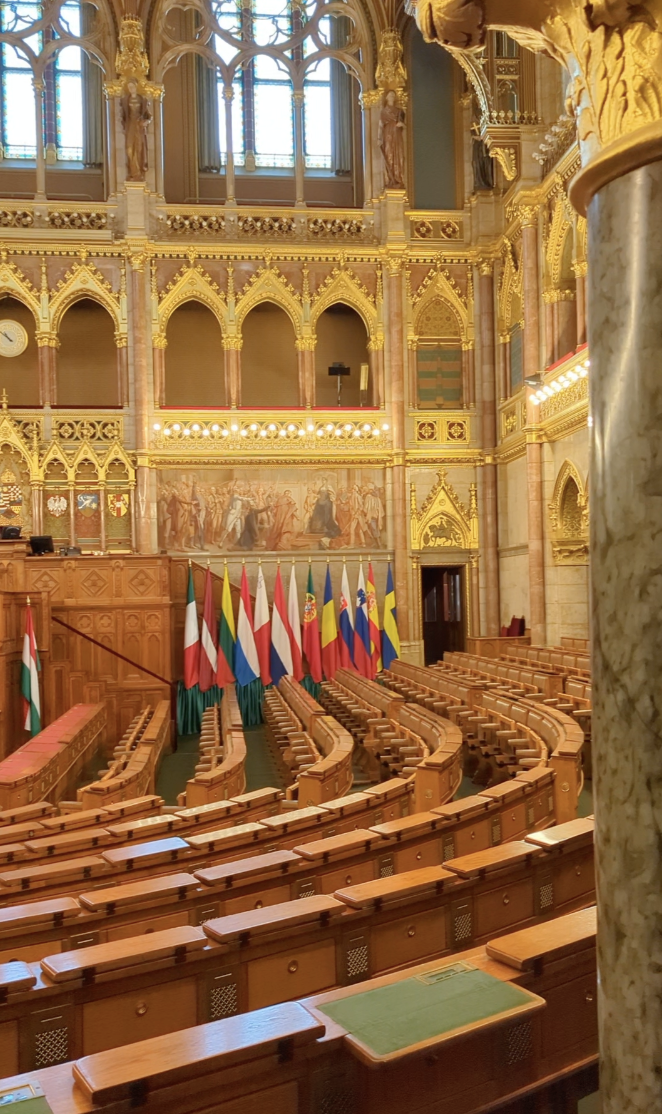
let them eat gold.
The grandest architecture in the city is right here in this very living room situated somewhere in The Hungarian parliament. The little guide man in my handheld Nokia audio-brick tells me this room is lined by a “whopping 40 kilogram of gold”, which is interesting until you realize that 40 kilograms is barely anything, and no scientist knows what a “whopping” is to this date.
The little man also says that this XXL building is built symmetrically reflecting what was a “bicameral” government until War 2, which is encouraging news, since that means I can just imagine the other half of it and give my legs a [censored] break.
Two mysteries remain as I exit these grand political living quarters. Since War 2, Hungary has been a “unicameral” government: how do they guard all this gold with one camera? To add to the mystery, as of 2024, which is the times as I speak, no one is sure who the lead man of this building is. Is it Viktor or Ban?
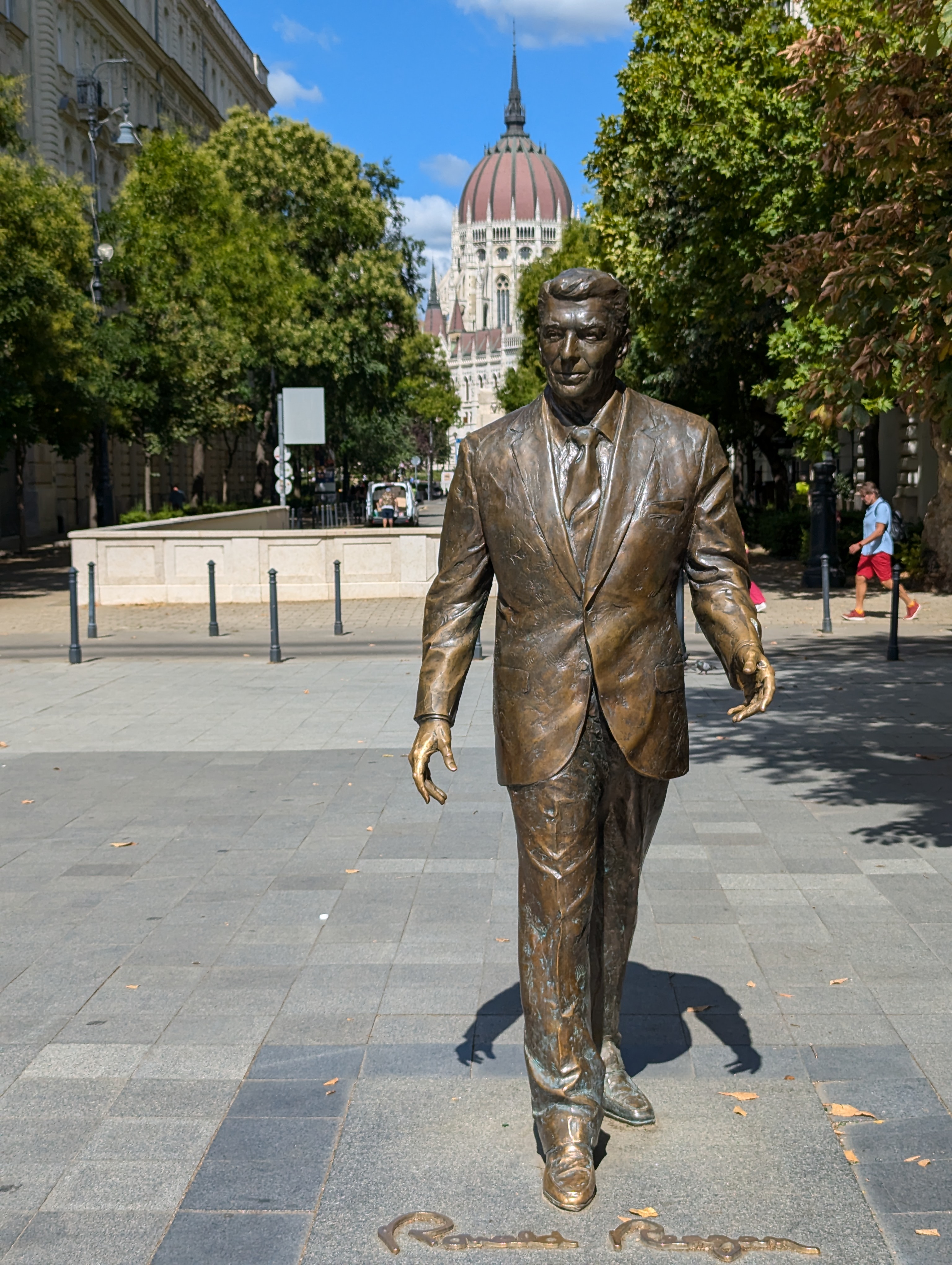
One step back for man, one giant leap forward for the corporatekind.
Once you step out of the building, you will notice two things: broad daylight and then immediate darkness as you faint from the sudden daylight. You will then wake up right next to an installation of the great mummy of the great US president who was involved in the falldown of communism in Hungary. It is the great insert-adjective Ronald Reagus, named after the economic policies of his time, Reaganomics, an economics which has been penetrating our societies for years and will do so for years to come.
Note: An instance of the word “[censored]” had to be censored from the last line to be in line with latest legal laws of these times.
All photos are mine except for the one of that hotel.