About
Below is a list of
books I hold close to my heart, books that have shaped my thinking substantially, and also books I found mildly interesting. I have given visibility only to books that are not already popular. Jump to list or read some lengthy footnotes on how I find my booksI like second-hand books. I like opening the first page to find scrawled on it vintage messages of love, or the full name of a stranger in elegant cursive; I like the
little pencilled annotations that show up unexpectedly on a page in the middle. (Please write on your books, in neat handwriting.)
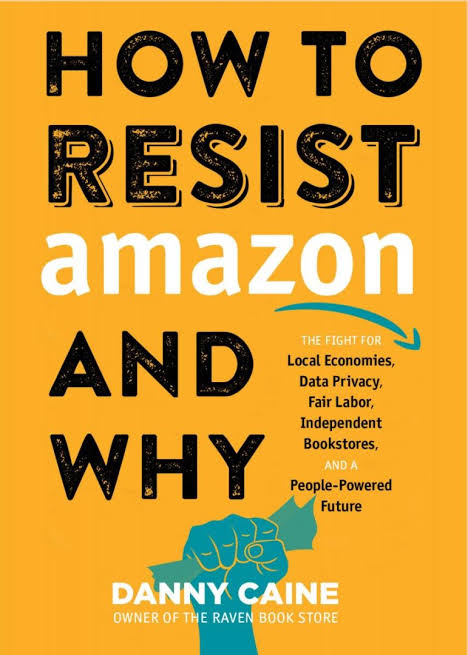
I also like used book shops, the atmospheric ones, unkempt and unmanicured, home to a couple of cats that loiter the narrow alleyways created by heaps and towers of precariously stacked books, the organic compounds from the breakdown of all those pages diffusing into the air like perfume. Through that tight, disorderly physical space, I like to wander, hoping my eyes eventually stumble upon some striking book in some odd pile as if, amidst the dark dusty interiors, that one book was the target of a lone ray of light shot through the roof, visible only to my eyes. (Perhaps, it is the machinations of a biblio-Cupid.) What a rush of dopamine! No part of this experience can be had with a trillion-dollar online recommendation system.I no longer buy books on Amazon since coming across “How to resist Amazon and why” by Danny Crane and learning how destructive they have been to local businesses and book shops. But I understand that this can be an unaffordable decision to many since Amazon sells books at a lower price, and books are expensive.
You are right to infer from this that I judge a book not by its thoughtfully penned online reviews, but by its cover, the front page and a middle page (prose, like handwriting, only gets worse with the page number, so don’t fall into the first-page trap). Any book that I did come to appreciate has grown close to me since I irrationally and unapologetically assign meaning to our fateful encounter.or why I resumed reading books.When I resumed reading books a few years ago (2021), it was solely for sedative purposes. But two pages into the activity, it became apparent that my brain had been too sandpapered by modern technology for reading to have any effect other than embarrassment—embarrassment from having eroded my attention span to that of a bumblebee orbiting a bouquet. (A bit on the nose that the core technological innovation behind AI is an idea named attention made popular in a paper called “Attention is all you need”.) Reading is therefore now a serious pursuit at restoring my original cognitive faculties and my honor.
The List
You can click on the “✺” above a book to see my jottings (if any, about how the book shaped my thinking).
The Human Experience, Nature, Anthropology
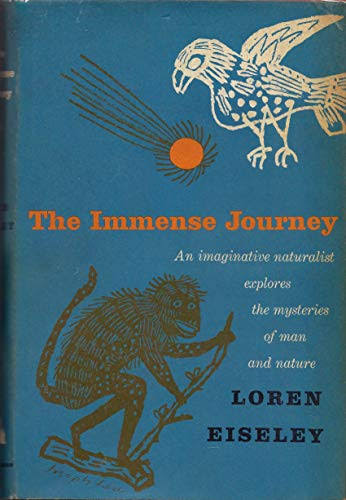
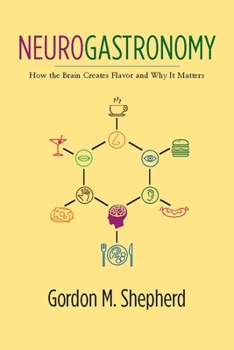
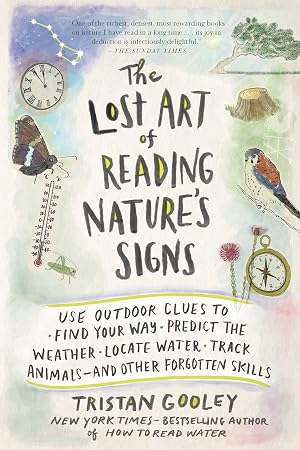
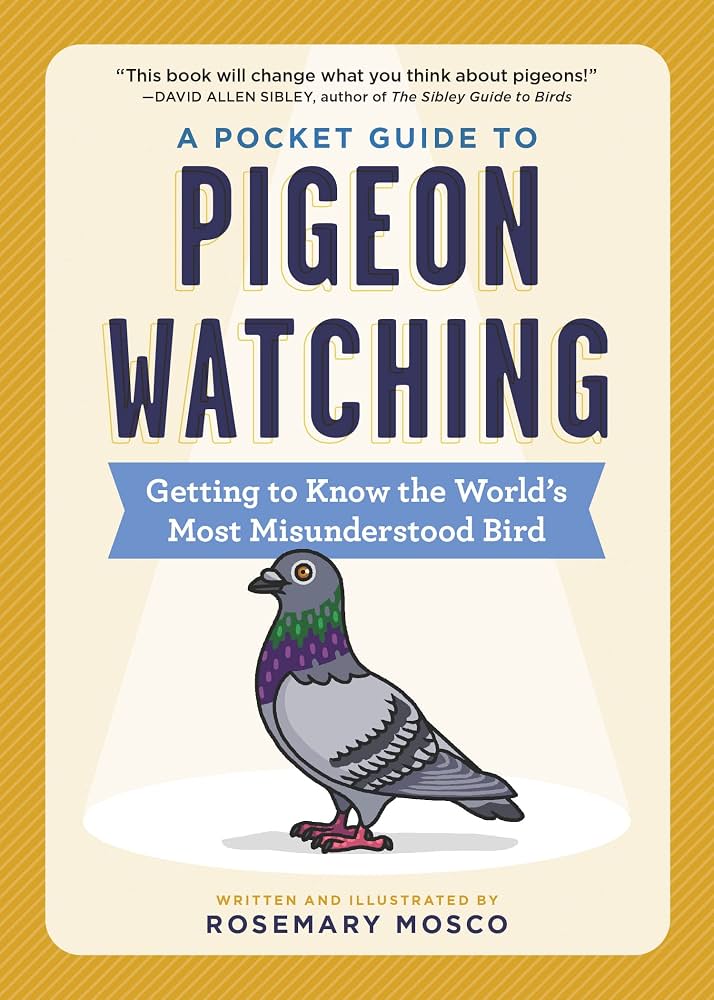
This amorphous category helps me process the natural, non-drug-induced vividness of my sensory experiences, memories and emotions, a vividness almost bordering the psychedelic, a vividness I find so thrilling except those moments when it turns dark and deeply terrifying. Processing these extremes has nurtured a mystical relationship with the internal (my senses, my mind) and the external (animals, nature, experiences and the universe). I also have a particular interest, almost to a fault, in verbalizing my experiences, which ties this interest to my interest in language.
Language and writing
There is a delight to noticing suspicious relationships between words across languages, verifying whether indeed linguists affirm a shared ancestry, and then like an amateur detective in a whodunnit, sniffing your own way without permission into a network of rabbit holes and fumbling into a bustling underworld of culture, politics and history. Over time, my interests have expanded from etymology into how metaphors may affect thought, emotions and reasoning. I'm not a linguist though; I only have an armchair fascination with language. Linguistics is a fast-evolving field, and these books are dated in places, and I've seen disagreements from linguists in their reviews. (I also don't endorse the political opinions of these authors some of which I find problematic.)
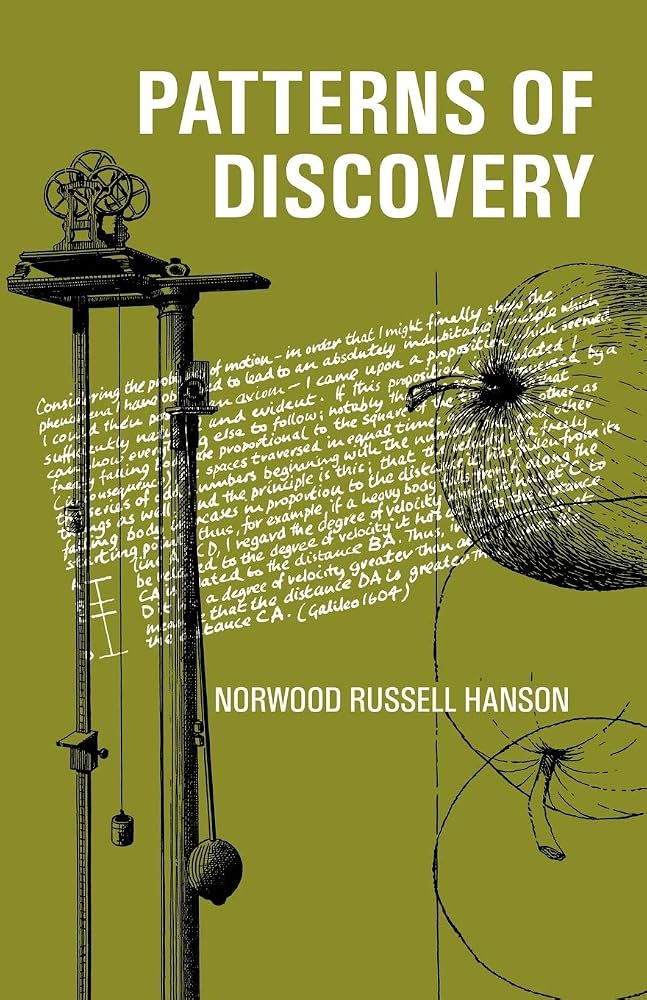
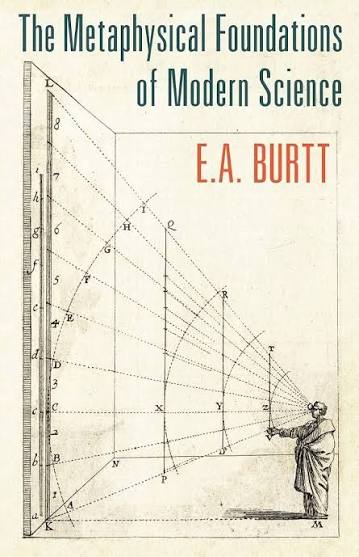
History, Politics and Philosophy of Science
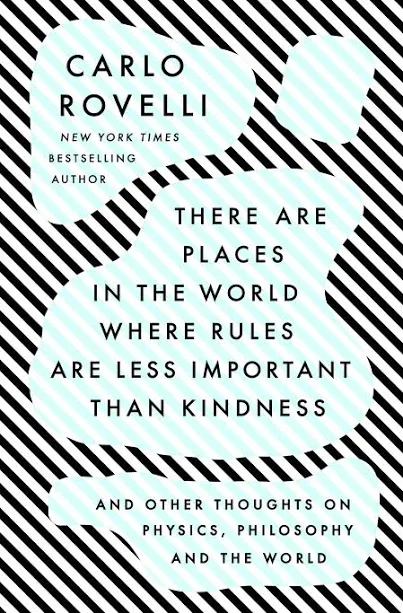
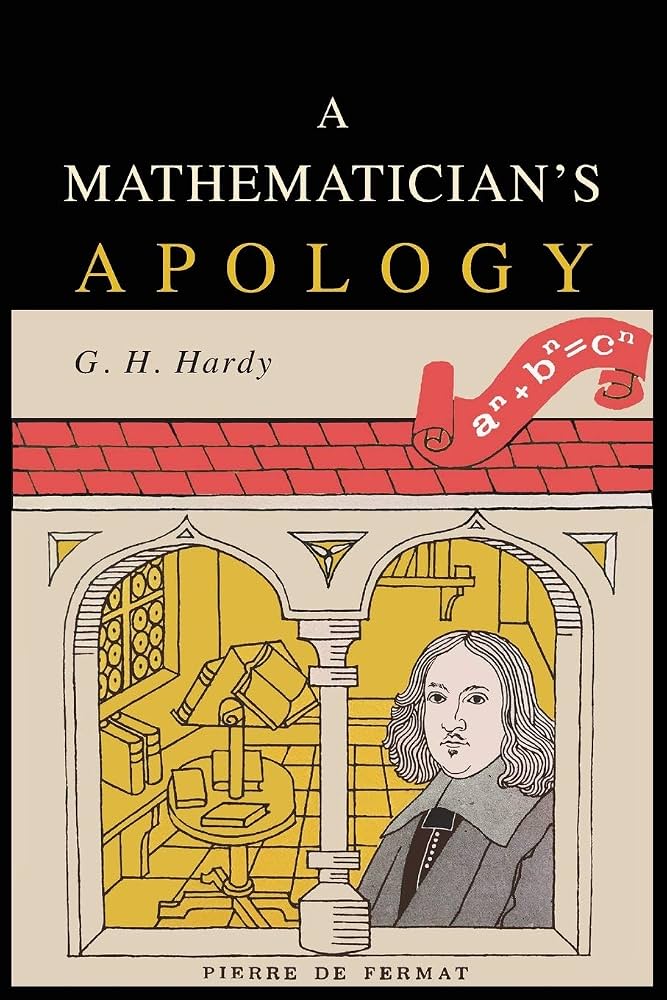
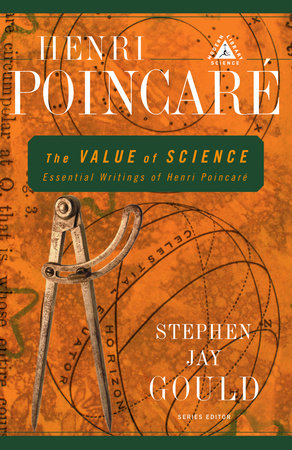
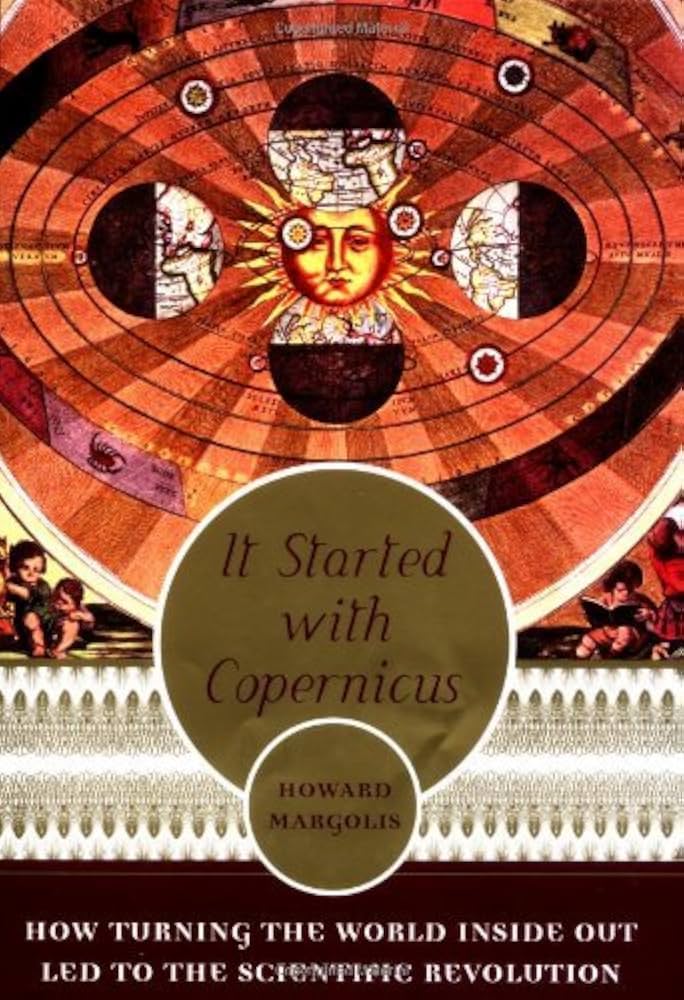
This section is not science, but *about* science, about how discoveries come to be, how science feeds politics and politics feeds science (and how both directions can take dangerous forms), how a community of scientists collaborate and compete, and the ways in which science is inherently noisy and can get subjective. Most of these books could be of interest even if you are not a science-enthusiast, but you want to better understand how the muscle(s) of modern civilization work. Many striking patterns recur across the stories within these books, my learnings of which cluster into three categories: science and politics; scientists vs. scientists; the nature of science itself. I've tried my best to categorize these below, but some books fall in multiple categories.
Science and Politics
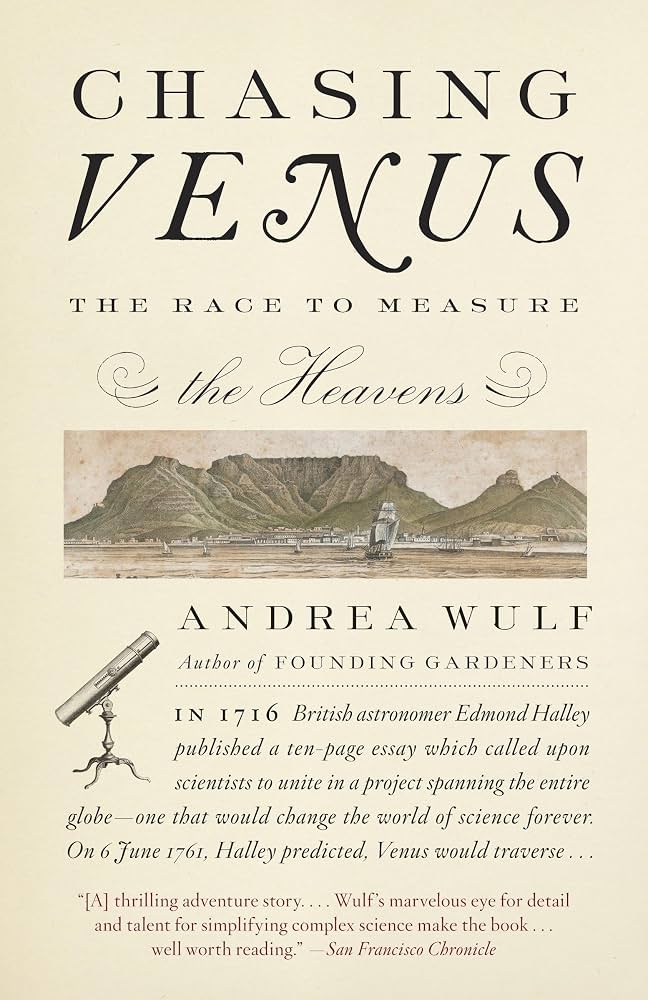
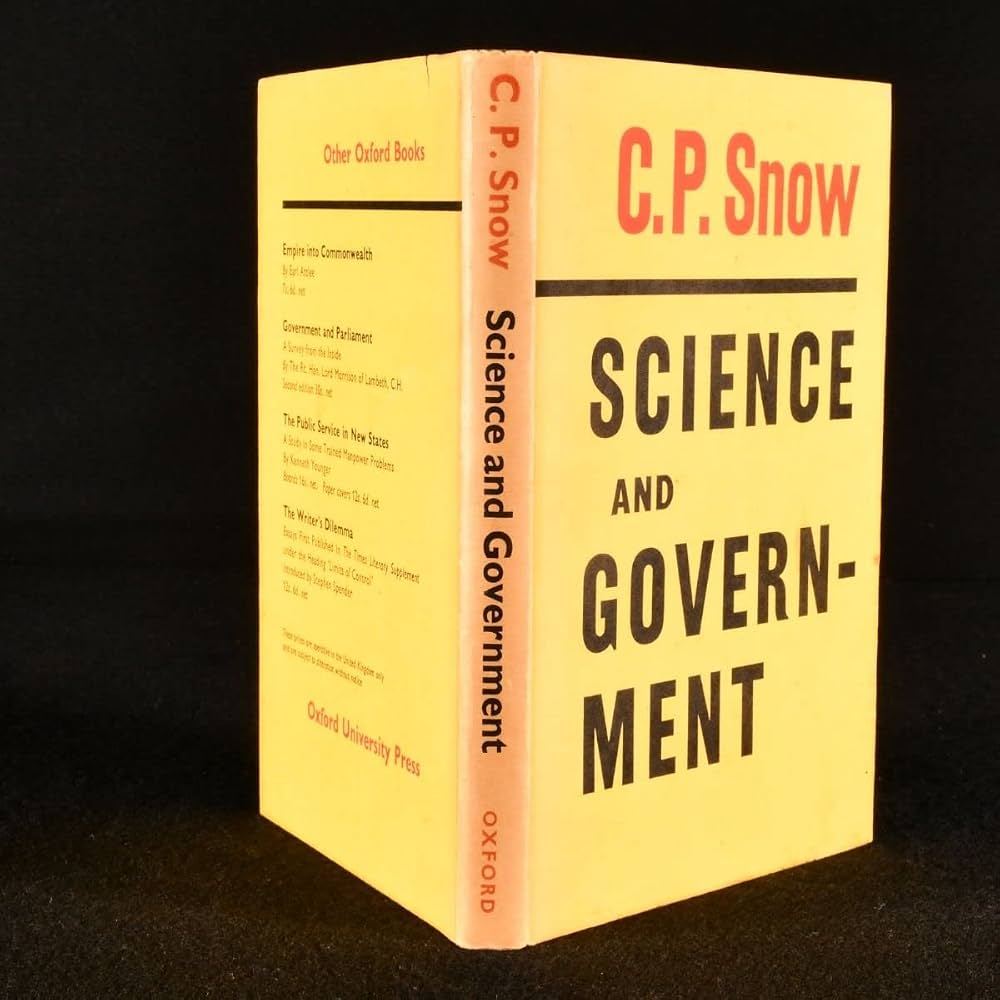
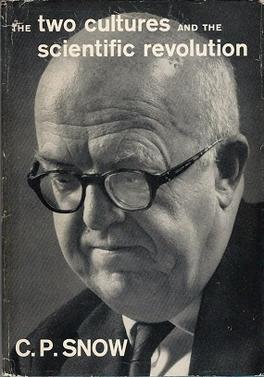
What I learned from reading about the interaction between science and global politics is how the many scientific and technological breakthroughs of the past (like the clock or fundamental terms in statistics) arose from an ugly desire to control and oppress (clocks helps ships navigate for colonization; `standard deviation` was invented to support eugenics). Worth mentioning here is Grothendieck's view of scientists as sleepwalking toward Armageddon, imperiling the planet by foolishly placing the weapon of technology in the hands of politicians.
Scientists vs. Scientists
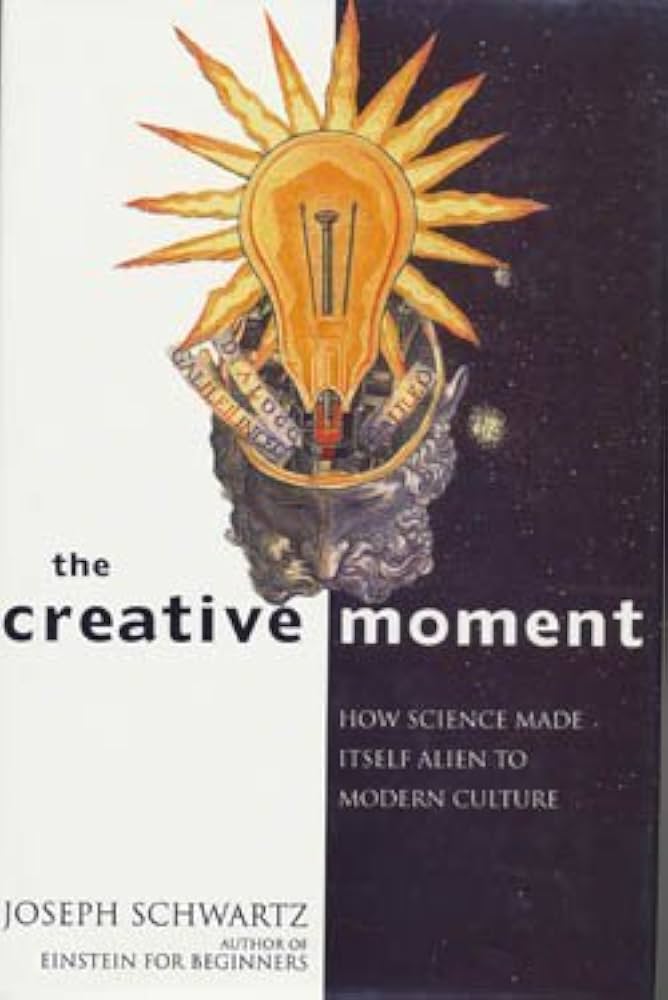
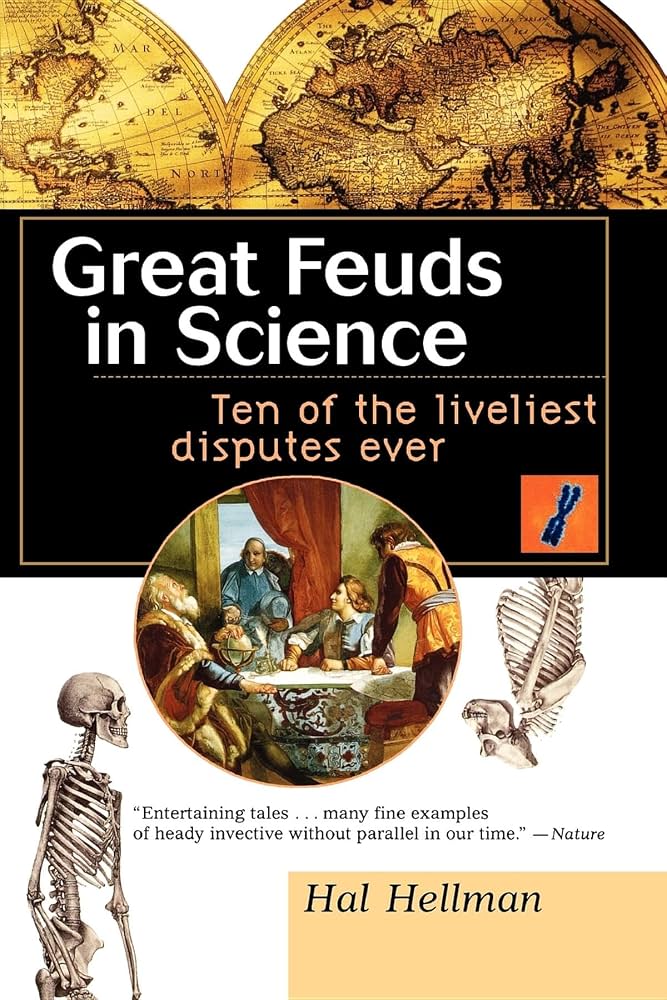
What I learned from the conflicts between scientists is how science was always rife with drama between the egos of scientists, how irrationally dogmatic scientists can be (a trait that I now view as performing a useful function in science), how endearingly and admirably self-effacing some of the most influential scientists have been, how credit assignment was often unfair, how science can be crushing and how immense a courage is required for a young scientist or a young discipline to find approval.
The philosophy and nature of Science
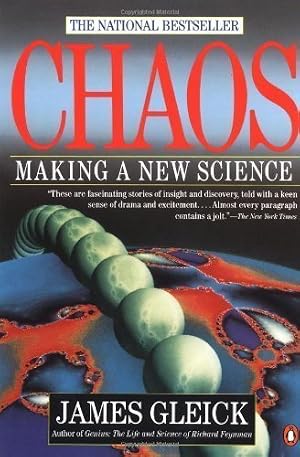
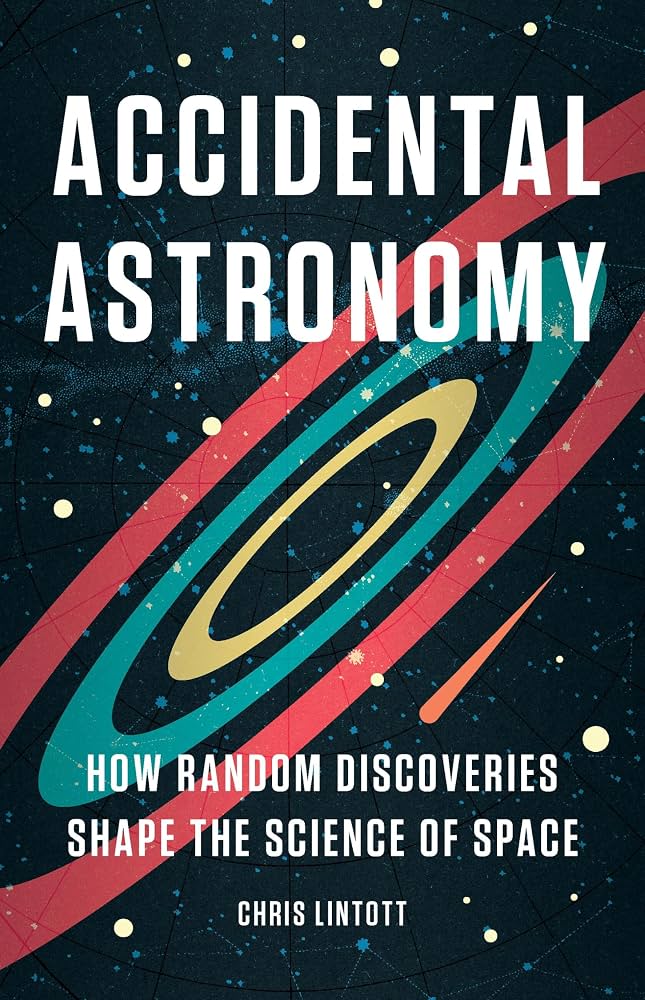
One of the lessons I learned about the nature of science itself is the extent to which science can be subjective, both in the choice of questions one makes and in the type of interpretations one makes from their experiments. This subjectivity is rarely emphasized when training scientists and researchers. (This statement should not be misconstrued as science being an incorrect method of arbitrary vibes.) Another insight is one about intelligence: it appears that a revolution in our understanding of the universe came in part from us abandoning geometric thinking for more algebraic thinking.
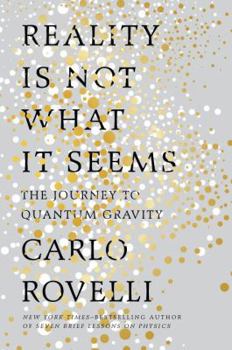
Science
Some books that discuss a specific (set of) scientific idea(s).
Politics
I share a selection of books here (skipping a few I would rather not have on here).
Fiction
My interest in fiction is noticeably sparse, of which I'm presenting an even sparser subset here. I lean towards humorous writing and elegant prose.